How to craft a video abstract: reflection on making research visible

While all social media are now overflooded with posts about (and by) Generative AI, I have been thinking about how to make high-quality social research visible in the era of Large Language Models and all kinds of AI-based chatbots. Another reason for writing this blogpost is to reflect on my own experience of making video abstracts for the journal articles I published after completing my PhD.

If you are doing social sciences, your goal may be not only to get published but also to share your research outputs with other scholars and broader publics beyond academia. There are many ways in which one can make research publications visible and engage with publics, ranging from writing op-eds and blogposts to making visuals and video abstracts.

Video abstract formats

When I published my first PhD-based article on structures of feeling, I wanted to creatively disseminate it to share the results of my research with wider audiences. I decided to make a video abstract. My quick research into the types of video abstracts for journal articles found three of the most engaging formats.

The most popular one is talking videos, where academics talk about their publications to the camera. This is a less time-consuming video to make, which can be easily recorded with a phone or a laptop camera. However, it requires writing a script or carefully thinking about what you will say. You will probably need to make several takes before you are happy with your video. This option may be uncomfortable for those who do not like talking to the camera.

Another format is recorded video slides with the key findings presented on slides, combining text, images and animation. This may be more familiar to academics, as many were presenting online during (and after) the COVID-19 pandemic. These slides can be made with PowerPoint and recorded with Zoom. This format allows choosing whether to show a face or not, and the focus will be on your slides, not your talking head.

Finally, I came across several animated video abstracts without an author’s face, employing visual storytelling about research outputs. I enjoyed whiteboard animations based on publications, which amazingly combined verbal, textual and visual forms in research presentation. It was not obvious how to make them, but it was obvious that their production is time-consuming, even though they stimulate the creativity and curiosity of both researcher and audience.

Further, I will share my experience of crafting animated and talking video abstracts and conclude with reflections on their role in research visibility.

Animated video abstract

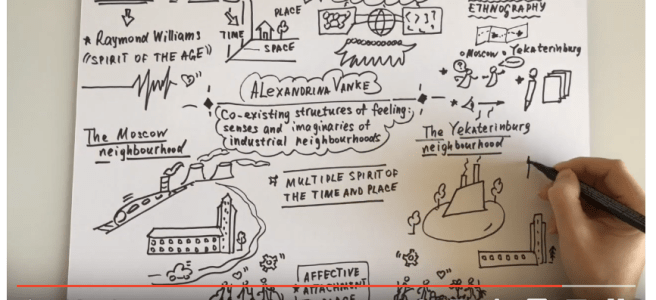
I decided to start with an animated video abstract, as I wanted to draw my article in the video. This prompted me to continue my search and learning. After watching animated videos about research, I found an educational course, From Verbal to Visual. From this online course, I learned how to use icons in sketchnoting, concisely visualise ideas with a black marker and use a video-editing software to combine a video of my graphic drawing, my audio explanation and background music.

It took me several days of creative thinking, learning and making until I crafted my first video abstract. I am sure some will view it as a luxury to spend so much time making an animated video abstract, especially under time pressure in academia. (I was crafting mine during the Christmas holidays). But for me, it was more about curiosity and learning how to make it and how to creatively disseminate research. Of course, when I crafted a second animated video abstract for my journal article on everyday inequalities, it was much easier and quicker. However, it still required time and energy for original thinking and crafting.

Despite all these efforts, I find the result amazing, even though it is far from perfect, but unique, like any handmade object. An animated video abstract reflects the idea of research as craft. This strongly resonates with my vision of doing creative ethnography, which my article on avant-garde methodology develops. This new article explains how to conduct multi-sited ethnography, use drawing and analytical assemblage in research, and creatively write with ethnographic data.

Talking video abstract

My experiences of making video abstracts broadened this year, when Sociology, the journal of the British Sociological Association, invited me to make a talking video about my article on everyday inequalities, which won the Sociology SAGE Prize for Innovation and Excellence 2025. In recent years, more and more academic journals have started suggesting their authors make video abstracts for published articles. In my opinion, Theory, Culture & Society provides really good examples of the talking video format, displayed on their journal website.

As for my experience, recording a talking video abstract for my article published in Sociology journal was split into four stages.

First, making a talking video requires writing and editing an accessible script for a three-minute video. I wrote this script, reread it and tried to tell it. Then I prepared a place and put the minimum equipment I had, a phone with a holder and a laptop camera, in two locations. Later, at the editing stage, I chose to work only with the video recorded with the phone, because it turned out to be better in terms of picture and sound. I decided to use a simple background which would not distract the viewer and put a table lamp on the floor to add cosy light, as it was rainy outside. I made a couple of shoots to check whether my face was in the frame and whether my voice was clearly heard.

At the second stage, ensure that there is no background noise from the window or anywhere else, which will disturb your video recording. Do not forget to put your phone on flight mode. Next, when you are recording a video abstract, it is better to talk about your research article, using a script as a reference and sometimes improvising, rather than reading a script. Natural talking makes a video abstract more engaging. (I know it is hard when you are talking to the camera). I did a couple of takes to choose the best one later.

The third stage includes editing a video abstract with a video-editing app or programme. I used iMovie, but you can use your preferred one, or skip this stage if you do not have time or the skills to use them. But then you need to record an almost perfect video, which does not need to be cut or improved. My talking video appeared to be twice as long as Sociology journal asked for. That is why I cut less important parts to make the video more concise and engaging. I should say that my video-editing skills are very basic. They still allowed me to add my title and name at the beginning and cut less important video frames.

At the final stage, I sent the video abstract and script to the editors of Sociology, who kindly helped me add subtitles. You can find this video abstract on my YouTube channel and it will be available on the Sociology journal website soon.

Is it worth making a video abstract?

Before making a video abstract, one may need to consider carefully whether all the effort and time spent is really worth it. On the one hand, academic journals follow the trend of encouraging authors to make video abstracts. The thing is that online users now consume more video content than textual and visual content. The probability that someone will become interested in your research article increases if they find your video abstract.

On the other hand, I have recently had a chance to discuss this issue with a senior academic who was sceptic about video abstracts and their dissemination on algorithm-based video streaming platforms. According to this position, it is not worth spending time making video abstracts, as they are not supported by algorithms and do not help increase the citation rate. If you are a recognised professor, your publications will be read without creative dissemination. However, early career researchers need to spend time for dissemination if they want their research outputs to rich academic and wider audiences.

It has been two and a half years since I posted a video abstract for my first PhD-based journal article on structures of feeling published behind a paywall. By now, it has reached 850+ views on YouTube, compared with 500+ reads of my blogpost with its summary, 1000+ reads on the journal website, and only eight citations in publications by other academics. This statistic tells us that video abstracts do not directly increase the citation rate, but they increase engagement with your article. For example, I regularly receive emails from people who want to read the article but cannot access it and ask me to share it with them. Some people (most of them students) contact me to say that my article helped them in their research.

As for the article on everyday inequality, also published behind a paywall, its animated video abstract got only 150+ views over the last two years. But the article and my research findings were mentioned in a conversation between three characters in one British film, and it has been cited five times by other academics so far. Again, there is no direct link between a video abstract and scholarly recognition. But what I see from this experience is that my research has become more visible thanks to the video abstracts, which I also posted on my social media accounts.

Are you curious about learning how to craft a video abstract? Are you interested in creative research dissemination? Are you looking for innovative ways of public engagement? If yes, then why not experiment with a video abstract and see what it may bring in terms of making your research visible? At the end of the day, why not give a video abstract a chance among research dissemination channels and public engagement tools?
Как собрать данные в полевом качественном исследовании / How to Collect Data in Qualitative Field Research

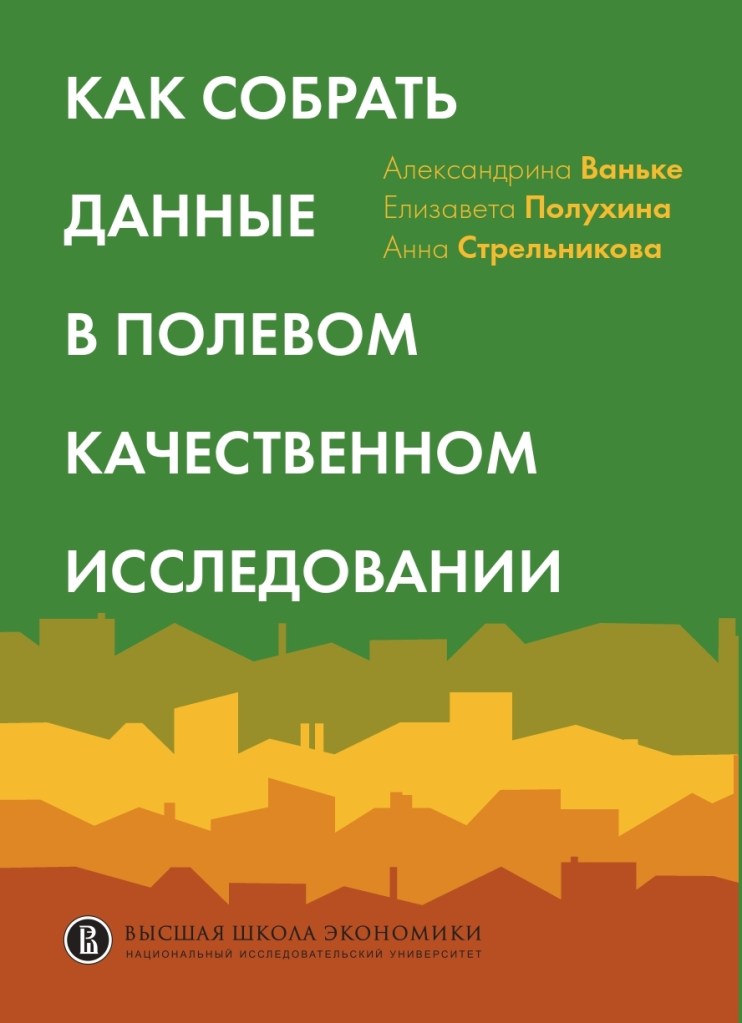
Копия Как собрать данные_обл_13 мм (1)_page-0001Наше учебное пособие в соавторстве с Елизаветой Полухиной и Анной Стрельниковой “Как собрать данные в полевом качественном исследовании” вышло в Издательском доме Высшей школы экономики. Пособие содержит информацию о качественных методах сбора эмпирических данных, которые мы применяли в наших совместных проектах последних лет. Книга приглашает читателя к размышлению о методологическом инструментарии и вносит вклад в дискуссию о том, как исследователи могут решать методические проблемы, возникающие в ходе полевой работы.

Ссылка: А. В. Ваньке, Е. В. Полухина, А. В. Стрельникова. Как собрать данные в полевом качественном исследовании. М.: Изд. дом Высшей школы экономики, 2020.

Как собрать данные_обл_13 мм (1)_pages-to-jpg-0001

Our handbook in co-authorship with Elizaveta Polukhina and Anna Strelnikova ‘How to collect data in qualitative field research’ has been published by The Higher School of Economics Publishing House. The handbook provides information about qualitative methods of data collection that we applied in our team projects in recent years. The book invites the reader to reflect on methodological tools and contributes to the debate on how researchers can solve some methods issues emerging during fieldwork.

You can download Chapter 1 (in Russian) by following the link: Designing Qualitative Field Research.

Reference: Vanke, A., Polukhina, E., Strelnikova, A. (2020). Kak sobrat’ dannye v polevom kachestvennom issledovanii [How To Collect Data in Qualitative Field Research]. Moscow: The Higher School of Economics Publishing House. (In Russian).

Публикации 2018

В 2018 году вышли следующие мои статьи, посвященные исследованиям маскулинной телесности и территориальной идентичности в индустриальных районах.

Ваньке, Александрина (2018). Мужские тела, сексуальности и субъективности, Философско-литературный журнал Логос 28(4), сс. 85-108.

fresh-topleft.jpgАннотация. Углубление социального неравенства, которое автор связывает с глобальным распространением неолиберализма, усложняет систему властных отношений между мужскими телами и сексуальностями и ведет к дифференциации типов маскулинности. На материале 43 биографических интервью переосмысляются властные отношения внутри двух социально-профессиональных сред — так называемых синих и белых воротничков. Автор приходит к выводу, что через регулирование телесности сфера труда управляет эмоциональными отношениями и, как следствие, сексуальной жизнью мужчин из обеих групп. Наряду с этим режимы производственного и офисного труда генерируют разные логики управления мужской телесностью, которые воспроизводятся в приватной сфере и используются для создания мужской субъективности.
Основным ресурсом конституирования мужественности для рабочих служат физическая сила и умения, тогда как для офисных клерков — телесная репрезентация и перформанс. Следствием дифференциации в структуре труда становится неравенство возможностей создать «успешный» маскулинный субъект. Мужчины-рабочие называют себя «неудачниками», в то время как служащие считают себя «состоятельными», хотя и те и другие в равной степени выступают объектами эксплуатации. Телесный труд рабочего отчуждается в процессе управления телами на производстве, тогда как тело офисного клерка коммодифицируется и превращается в знак в системе символического обмена. Вместе с тем результаты исследования свидетельствуют о размывании средовых границ и ослаблении классового сознания, что позволяет мужчинам — рабочим и офисным служащим — применять сходные сексуальные стратегии, различающиеся лишь по форме и стилю. Маскулинная субъективность синих и белых воротничков включает одни и те же компоненты традиционной, либеральной и новой мужественности, которые отличаются по способам и формам выражения.

Ключевые слова:  мужчины; тело; сексуальность; синие воротнички; белые воротнички; труд; власть; эмоции; неравенство.


Ваньке, Александрина и Елизавета, Полухина (2018). Территориальная идентичность в индустриальных районах: культурные практики заводских рабочих и деятелей современного искусства, Laboratorium Журнал социальных исследований 10(3), сс. 4-34.

cover_issue_31_en_USАннотация. В статье рассматриваются территориальные идентичности, сформировавшиеся вокруг советских предприятий: завода имени И. А. Лихачева (ЗИЛ) в Москве и Уральского завода тяжелого машиностроения (Уралмаш) в Екатеринбурге. На примере двух кейсов авторы отвечают на вопрос о том, как создается территориальная идентичность индустриальных районов в постсоветской России. Авторы анализируют культурные практики в двух индустриальных районах и показывают, какой вклад в изменение их территориальных идентичностей вносят культурные акторы: представители творческих профессий и культурной среды, то есть научные работники, художники, архитекторы, фотографы, преподаватели высших учебных заведений, работники музеев, культурные и городские активисты. Исследование обнаруживает увеличение социального неравенства между резидентами индустриальных районов: рабочими и представителями других социальных групп. На фоне неолиберальной политики новые социальные акторы приходят в индустриальные районы, изменяя конфигурацию их социального состава. Оба кейса – территории вокруг завода имени И. А. Лихачёва и Уралмашзавода – демонстрируют наслоение разных типов идентичности и ассоциирующихся с ними культур рабочего и среднего классов. Так, в случае индустриальных районов мы можем говорить о множественной территориальной идентичности, которая выражается в том, что коренные жители и новые культурные акторы применяют классово дифференцированные «советские» и «постсоветские» культурные практики, воспроизводят «старые» и «новые» стили жизни.
Роль культурных акторов в формировании множественной территориальной идентичности индустриальных районов амбивалентна. С одной стороны, они вносят вклад в создание новой культурной среды и ведут работу по снятию маргинальных маркеров с промышленных территорий, делая эти районы более привлекательными для общегородских публик. С другой стороны, в процессе культурной экспансии резиденты индустриальных районов становятся «невидимой» социальной группой, лишенной возможности говорить публично. Культура рабочих, выражающаяся в практиках культурного потребления, сформировавшихся в советский период (например, посещение театров, музеев, домов культуры) и ремесленных навыках (например, вышивание, вязание, пошив одежды для женщин, а для мужчин создание предметов быта своими руками), обесценивается и не воспринимается как достойная внимания. Таким образом, деятельность культурных акторов вписана в общий тренд джентрификации и вытеснения рабочих за пределы промышленных территорий и публичного пространства. Вышеперечисленные процессы указывают на воспроизводство культурного, классового и территориального неравенств внутри индустриальных районов.

Ключевые слова: территориальная идентичность, индустриальный район, культурные практики, заводские рабочие, культурологический анализ классов

Transformation of Working-Class Identity in Post-Soviet Russia

We present the results of our group project The Everyday Life of Industrial Workers: Ethnographic Case-Study of Industrial Neighborhood in Yekaterinburg, conducted by me, Elizaveta Polukhina and Anna Strelnikova, in the working paper The Transformation of Working-Class Identity in Post-Soviet Russia: A Case-Study of an Ural Industrial Neighborhood.

Abstract

This paper presents an analytical description of working-class identity in three key periods of the socioeconomic transformations which changed the structure of a plant’s industry and working-class life: the Soviet era (1930s-1980s), the time of economical change (1990s), and the post-Soviet years (2000s-2010s). The analytical framework of the study is based on the concept of ‘cultural class analysis’ (Savage 2015). It includes the concepts of habitus and cultural capital, and culture as embedded in economic and social relations (Bourdieu 1980).

In the course of the research we conducted an ethnographic case-study in 2017 and lived in the neighborhood of Uralmash, which was designed for workers of a heavy machinery plant dating back to the 1920s in the city of Yekaterinburg. Based on 15 in-depth interviews with Uralmash workers living in the neighborhood and 8 experts, and our field observations, we discovered 3 restructuring shapes of the Uralmash worker identity. These working class identities shapes referred to 3 determined periods. The Soviet period showed a ‘consistent’ working-class identity of the Uralmash workers, whereby the plant and working spirits were the centers of their lives. The 1990s was marked by severe deterioration of workers’ social conditions and the loss of their familiar bearings in life. As a consequence, the Uralmash workers perceived themselves as ‘victims of circumstances’ with ‘collapsing’ worker identity in 1990s. Currently, ‘Soviet’ and ‘post-Soviet’ practices and values are combined in today’s ‘mixing’ and an inconsistent worker identity. The notions of ‘simple’ and ‘working-class’ as sense-making images are encapsulated in nostalgic memories and retain their role as criteria for the delineation between inequalities and social discrimination along the ‘them’ and ‘us’: ‘we are those who live belonging to the past’. The Soviet past still continues to be an important sense-making resource; in fact, it is the only ‘universal’ prop for them that support their subjective perception of themselves.

Keywords: Industrial Neighborhood, Worker, Working-Class Identity, Ethnographic Case-Study

Elizaveta, Polukhina and Strelnikova, Anna and Vanke, Alexandrina, The Transformation of Working-Class Identity in Post-Soviet Russia: A Case-Study of an Ural Industrial Neighborhood (November 22, 2017). Higher School of Economics Research Paper No. WP BRP 77/SOC/2017. Available at SSRN: https://ssrn.com/abstract=3075749

Masculinities, Bodies and Subjectivities

A book Masculinity, Labour, and Neoliberalism. Working-Class Men in International Perspective edited by Charlie Walker and Steven Roberts with my contribution Masculinities, Bodies and Subjectivities: Working-Class Men Negotiating Russia’s Post-Soviet Gender Order has been finally published by Palgrave Mcmillan.

Abstract

This chapter considers the interrelation between masculinities, bodies and subjectivities of Russian working-class men generated by Russia’s post-Soviet gender order. The collapse of the Soviet Union led to large transformations in Russian society that changed its social structure significantly. During the period of transition, some social classes and groups, which had been sustained by the state and respected in Soviet times, were devalued and downshifted. Working-class people, especially men, experienced this downgrade in the greatest measure. Building on the approaches by Michel Foucault and Raewyn Connell, the chapter examines masculine subjectivities constituted through body and sexual practices of working-class men, and it explains the peculiarities of post-Soviet gender order reflecting Russia’s new forms of socioeconomic politics. The author defines several types of working-class masculinity, which are classic masculine subjectivity reproducing patterns of the Soviet gender order and trying to sustain a normative gender model; and new masculine subjectivity combining neoliberal and counter-neoliberal patterns which can be divided into consuming and protest masculinities.

Cite this chapter as: Vanke A. (2018) Masculinities, Bodies and Subjectivities: Working-Class Men Negotiating Russia’s Post-Soviet Gender Order. In: Walker C., Roberts S. (eds) Masculinity, Labour, and Neoliberalism. Global Masculinities. Palgrave Macmillan, Cham

Трансформации маскулинности российских рабочих

В четвертом номере журнала “Мир России” за 2016 год вышла моя статья “Трансформации маскулинности российских рабочих в контексте социальной мобильности”, написанная в соавторстве с Ириной Тартаковской. 

В статье реконструируются маскулинности рабочих в постсоветской России, прослеживается их динамика в соотношении с субъективной социальной мобильностью в 1991–2015 гг. Авторы приходят к выводу, что сегодня в российском обществе сочетаются классические и новые типы мужественности рабочих. Классическая маскулинность рабочих воспроизводит образцы советского гендерного порядка и стремится достигнуть нормативного образца, что оказывается не всегда возможным. Новая маскулинность отличается независимостью, активностью и инициативностью рабочих. В то же время она воспроизводит стратегии нового гендерного порядка, в основе которого лежат ценности индивидуализма, интенсивного потребления и значительных инвестиций в свою внешность. С помощью этих стратегий рабочие стремятся создать свою мужественность и осуществить восходящую субъективную социальную мобильность при ограниченности их объективных условий.

Прочитать статью можно на сайте журнала или по ссылке.

Карьера рабочего как биографический выбор

В третьем номере за 2016 год журнала “Социологическое обозрение” вышла наша с Ириной Тартаковской статья “Карьера рабочего как биографический выбор”.

В ней мы рассматриваем карьерные стратегии российских рабочих, которые изучаем в контексте ситуаций биографического выбора. Опираясь на классовый и интерсекциональный анализ, мы описываем мотивы выбора рабочей профессии и дальнейшую социальную мобильность рабочих. В статье мы показываем, что восходящая мобильность молодых рабочих возможна при условии, что заводская иерархия позволит им конвертировать образовательный капитал (в виде повышения уровня образования и квалификации) в символический и экономический. Нисходящая же мобильность наиболее характерна для рабочих старших возрастов, которые не смогли адаптироваться к новым социально-экономическим условиям, потерпели неудачи и понизили свой социальный статус, например, из инженеров перешли в рабочие. Мы отмечаем, что для выходцев из рабочей среды характерна стратегия воспроизводства классовой позиции. В статье мы утверждаем, что карьерные стратегии рабочих в значительной степени обусловлены гендерным габитусом, имеющим для них определенную классовую специфику. Она выражается в том, что женщины-рабочие, имея карьерные амбиции, все же ориентированы на жизненный успех в приватной сфере (в браке и семье), в то время как для мужчин-рабочих успех может быть связан не только с построением профессиональной карьеры, но и просто с повышением качества жизни. В заключении мы приходим к выводу о том, что сегодня российские рабочие не склонны проблематизировать свой социальный статус и, скорее, воспроизводят свою классовую позицию, чем вкладывают силы в ее изменение.

Читайте статью на сайте журнала или по ссылке.

Диалоги памяти

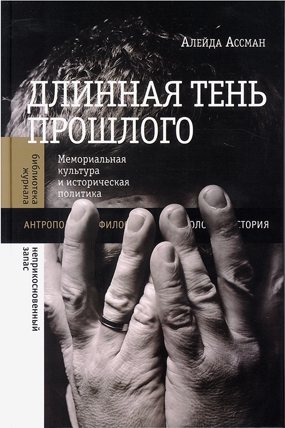
Assman_Dlinnaja_1Моя рецензия “Диалоги памяти” на книгу немецкой исследовательницы Алейды Ассман опубликована во втором номере за 2016 год журнала “Социологическое обозрение”.

Выход русскоязычного перевода книги “Длинная тень прошлого. Мемориальная культура и историческая политика” ознаменовался приездом ее автора, немецкого культуролога Алейды Ассман, в Москву. Презентация книги и дискуссия вокруг нее, состоявшаяся при поддержке издательства “Новое литературное обозрение”, Гёте-Института и других культурных организаций 17 октября 2014 года в Международном обществе “Мемориал”, с одной стороны, показали наличие разных контекстуальных условий, в которых формируется память о прошлом в России и Германии, а с другой — приоткрыли возможность для диалога между немецкими и российскими исследователями, обозначив новые способы говорения о мемориальных культурах обеих стран.

Продолжить чтение…

Медиа-репрезентации рабочих: видеозапись дискуссии

21 мая в книжном магазине “Порядок слов” состоялась презентация результатов проекта “Рабочий дискурс в российских средствах массовой информации”, который мы проводили вместе с Максимом Кулаевым в течение двух последних лет.

Какие представления о рабочих есть у журналистов из крупных печатных изданий? Какая логика лежит в основе медийных текстов о рабочих? Как следует писать о рабочих? Каковы перспективы сотрудничества между социологами, журналистами, профсоюзами и рабочими? Ответы на эти вопросы содержатся в видеозаписи дискуссии.

© Видео Анатолия Трофимова

Репрезентации рабочих в российской печатной прессе

В “Журнале исследований социальной политики” вышла наша с Максимом Кулаевым статья Репрезентации рабочих в российской печатной прессе. Статья будет интересна тем, кто работает в пресс-службах профсоюзов и предприятий, а также занимается критическим дискурс-анализом.

Аннотация

В статье рассматриваются способы репрезентации промышленных рабочих в тиражной российской печатной прессе. В ходе исследования авторы применяют подход критического дискурс-анализа Норманна Фэркло, согласно которому дискурс следует рассматривать на трех уровнях: с точки зрения текста, дискурсивной практики и социального контекста. Опираясь на материалы публикаций в масс-медиа и интервью с сотрудниками печатных изданий, выделяют консервативный и либеральный дискурсы, представляющие промышленных рабочих как социальную группу. Консервативный тип пересекается с гегемонным дискурсом центральных телеканалов. Он утверждает корпоративные ценности, создает нормативный образ рабочих, согласно которому они выступают частью большого «организма» – предприятия, корпорации, цивилизации. Протесты рабочих представлены в нем как результат влияния внешних сил, а сами они помещаются в один ряд с социально-профессиональными группами, занимающими более высокое социальное положение, например, с руководителями предприятий и бизнесменами.Антагонистических противоречий между рабочими и владельцами предприятий в этом дискурсивном типе нет. Либеральный дискурс транслирует идеи свободы и экономических ценностей и подразделяется на два подтипа. Один – неолиберальный дискурс работает на усиление социального неравенства и описывает рабочих через количественные показатели и категории «глобальной экономики», «эффективности» и «производительности труда». Он представляет их пассивным элементом общества, который должен приносить прибыль. Другой – либерально-социальный дискурс напротив уделяет внимание вопросам справедливости и трудовых конфликтов. Он репрезентирует рабочих как энергичных и решительных людей, способных на самостоятельные коллективные действия.Образы рабочих в этом дискурсе более разнообразны и показаны детально в конкретных ситуациях. Однако эпизодическое обращение изданий социально-либеральной направленности к данной проблематике объясняется, скорее, личными интересами или политическими убеждениями журналистов, нежели осмысленной издательской политикой. Авторы статьи приходят к выводу о том, что в консервативном дискурсе рабочие используются для легитимации существующего порядка. В неолиберальном – они рассматриваются как экономический ресурс, в то время как в либерально-социальном дискурсивном типе рабочие предстают борцами за свои трудовые права, но делается это для того, чтобы извлечь максимальную прибыль через привлечение и расширение читательской аудитории. Вместе с тем на данный момент в российском медийном пространстве целостный образ рабочего отсутствует.

Библиографическое описание: Ваньке А.В., Кулаев М.А. (2016) Репрезентации рабочих в российской печатной прессе. Журнал исследований социальной политики, 1(14): 23-38. Ссылка на публикацию на сайте журнала.

Abstract

This paper focuses on how industrial workers are represented in popular Russian print media that is aimed at a mass audience. The authors consider the kind of media discourses active in characterizing workers today. To examine this, the critical discourse analysis elaborated by Norman Fairclough was applied, which entails the considering the discourses with the help of a three-dimensional scheme: this includes the levels of social context, discursive practice and text. Based on interviews with journalists, copy editors and contributors to media publications, definite conservative and liberal discursive types emerge that categorize “industrial workers” as a social group. The conservative discourse constitutes corporate and traditional values. It creates a normative image of a worker as part of a larger organism, e. g. a factory, enterprise, corporation or civilization. The conservative discourse represents worker protests as being heavily influenced by external forces and there is a tendency to merge workers into the same group as shop stewards, managers and other socio-professional groups taking higher social positions. The liberal discourse promotes ideas of freedom and economic values and can be divided into neoliberal and liberal-social discursive subtypes. The neoliberal discourse intensifies social inequality and describes workers through the categories of “global capital”, “world economy” and quantitative indicators; it characterizes them as a necessary element of Russian society, which should earn profit for the ruling class and be “effective”. On the contrary, the liberal-social discourse pays attention to questions of social justice and labour conflicts. This discursive subtype represents workers as active, energetic and decisive people who are able to act independently and collectively, asserting their rights and freedoms. In this context liberal-social discourse conflicts with the conservative one. The authors argue that hybrid discourses circulate in the contemporary medialandscape, which contradict or coexist peacefully with each other in relation to the representations of workers. The authors conclude that the conservative discursive type uses workers to legitimatise the current political order. On the other hand, the neoliberal discourse describes workers as an economic resource, while liberal-social discourse focuses on the social problems of workers but does it for the purposes of attracting the attention of readers and enlarging the size of its readership.

Citation: Vanke A., Kulaev  M. (2016) Reprezentatsii rabochikh v rossiyskoy pechatnoy presse [Representations of Workers in Russian Print Media]. The Journal of Social Policy Studies, 1(14): 23-38 (in Russian).